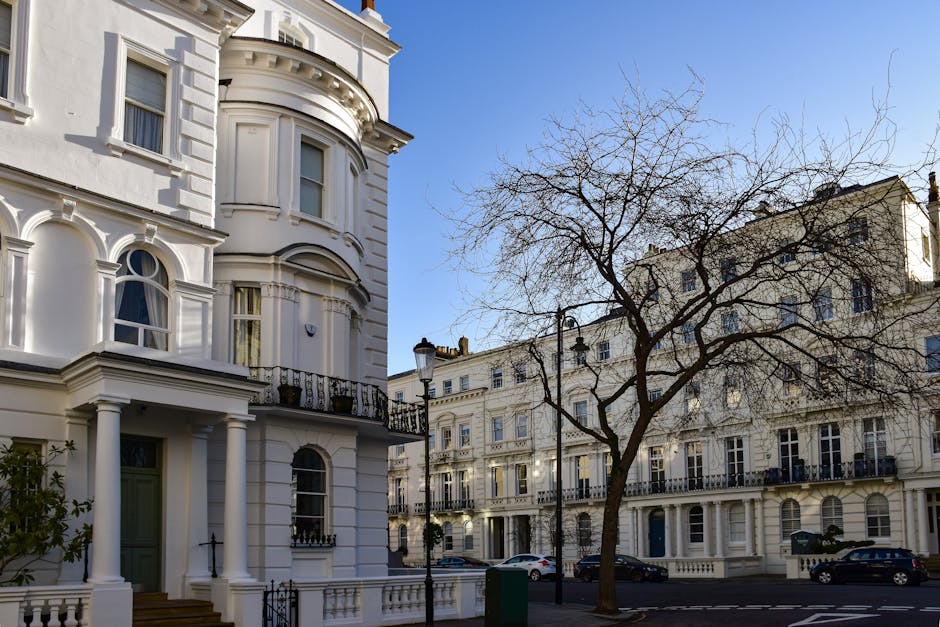
Queens Park gardeners for period terraces and front gardens
If you live in Queens Park, you probably know the feeling: a handsome Victorian or Edwardian terrace, a narrow frontage, a front garden that should look elegant but never feel overdone, and just enough space for weeds to get ambitious. That is where Queens Park gardeners for period terraces and front gardens make a real difference. The job is not simply to "tidy up" a front garden. It is to protect the character of the house, make the entrance feel welcoming, and keep the planting practical for London life.
To be fair, period front gardens can be a bit fussy. They want balance. They want restraint. They also need proper structure so the place still looks good in February, not only when everything is flowering and the sun is doing the hard work. In this guide, you will find a practical, local-minded breakdown of how experienced gardeners approach these spaces, what works best, what to avoid, and how to make sensible decisions if you are comparing options or planning a refresh.
Whether your terrace has a small paved forecourt, a bay-windowed frontage with tired borders, or a front garden that has become a patchwork of pots and self-seeded shrubs, the aim is the same: make it look intentional. And keep it that way without turning it into a full-time hobby.
Table of Contents
- Why Queens Park gardeners for period terraces and front gardens Matters
- How Queens Park gardeners for period terraces and front gardens Works
- Key Benefits and Practical Advantages
- Who This Is For and When It Makes Sense
- Step-by-Step Guidance
- Expert Tips for Better Results
- Common Mistakes to Avoid
- Tools, Resources and Recommendations
- Law, Compliance, Standards, or Best Practice
- Options, Methods, or Comparison Table
- Case Study or Real-World Example
- Practical Checklist
- Conclusion
- Frequently Asked Questions
Why Queens Park gardeners for period terraces and front gardens Matters
Queens Park has a very particular rhythm. The streets often mix classic London terrace architecture with a lived-in, family-friendly feel. That means front gardens have to do more than look pretty. They need to suit the age of the property, stand up to weather, and work within the realities of everyday use: bins, bikes, deliveries, damp shade, narrow access, and the occasional overenthusiastic fox.
A good front garden sets the tone before anyone even rings the bell. If the planting is haphazard or the paving is tired, the whole house can feel a bit neglected, even when the interior is beautifully kept. On the other hand, a thoughtful garden creates calm. It frames the entrance, softens brickwork, and gives the terrace a sense of care. That matters in conservation-minded neighbourhoods and in the simple day-to-day experience of coming home.
There is also a practical side. Period terraces often need sensitive maintenance because the materials and layout are not always forgiving. Old walls, shallow front gardens, original edging, sash-window proportions, and awkward drainage all influence how a garden should be maintained. A gardener with local experience understands those details and avoids the heavy-handed approach that can make a terrace look stripped of its character.
If you already have a general idea of the wider service you need, it can help to compare it with other local gardening support such as Belsize Park gardeners or look at related services like front garden maintenance for a broader sense of what ongoing care should include. Different areas, similar principles - but the detail matters.
Key point: period terraces look best when the planting, hard landscaping, and upkeep all feel deliberate. Not flashy. Deliberate.
How Queens Park gardeners for period terraces and front gardens Works
The process usually starts with a proper look at the frontage rather than a quick mow-and-go visit. That first assessment should identify the shape of the space, the light levels, the soil condition, drainage issues, and the style of the building. A Victorian terrace with a narrow strip of soil beside stone steps needs a different plan from an Edwardian front garden with a deeper bay-fronted bed and clipped hedging.
In practical terms, a skilled gardener will usually work through four things.
- Structure: What stays, what goes, and what needs reshaping. This includes hedges, edging, paths, and any climbing plants.
- Planting scheme: Choosing plants that suit shade, drought, and visual style, while keeping maintenance realistic.
- Access and flow: Making sure the front door, bins, steps, and any side access still work properly.
- Maintenance rhythm: Agreeing how often pruning, sweeping, weeding, feeding, and seasonal changes should happen.
The best front garden care is usually layered. For example, evergreen structure might be provided by a clipped box alternative, yew, or another reliable form plant, while seasonal interest comes from bulbs, shade-tolerant perennials, and restrained container planting. In a smaller terrace frontage, less is often more. A few well-placed plants can look far better than a crowded, overcomplicated design that needs constant rescue.
There is also a lot of value in simple routine tasks. Sweeping gravel or paving, keeping drainage clear, deadheading at the right time, and managing self-seeders can transform the whole impression of a house. You would be surprised how quickly a tidy line and a healthy evergreen can lift a frontage. Small stuff, but not really small at all.
If your home has been let slide for a while, a service like garden clearance may come before any design improvements. That is often the honest first step. Clear the chaos, then make the plan. Nice and simple, though not always easy.
Key Benefits and Practical Advantages
People usually think about appearance first, but the strongest benefits are broader than that. The right gardening approach can protect property character, reduce ongoing workload, and make a small frontage feel much more welcoming.
- Better kerb appeal: A restrained, well-kept period frontage makes the whole property feel cared for.
- More suitable planting: Queens Park gardens often deal with shade, mature trees, and urban exposure. The right plants reduce failure and replacement costs.
- Lower long-term effort: Good design reduces the amount of reactive maintenance you need later.
- Better seasonal interest: Thoughtful planting gives you more than one week of beauty.
- Respect for architecture: The garden looks like it belongs to the house, not like a random add-on.
- Safer, neater access: Clean steps, clear paths, and managed planting make daily use easier.
There is a quiet satisfaction in a front garden that simply works. You come and go without tripping over a misplaced pot. The lavender is not flopping across the path. The hedge is clipped, but not too tightly. The house feels settled. That is the real win, frankly.
For homeowners who want the garden to stay attractive without constant attention, it often makes sense to combine periodic visits with targeted seasonal tasks. If that is your situation, you may also want to explore lawn mowing and garden maintenance or a more general garden maintenance service if the frontage is only one part of the picture.
Who This Is For and When It Makes Sense
This kind of gardening service is especially useful if you own or manage a period terrace and want the frontage to reflect the quality of the property. But it is not just for design-conscious homeowners. It is also a sensible choice for people who simply do not want to spend their weekends on weeding, pruning, and trying to make the same two shrubs look good for ten months of the year.
It makes sense for you if:
- your terrace has a small or awkwardly shaped front garden
- the planting is tired, overgrown, or mismatched
- the space gets little sun and you are not sure what will survive
- you want a period-appropriate look rather than something too modern or too fussy
- you need reliable maintenance rather than a one-off tidy-up
- you are preparing the property for sale or letting and want a stronger first impression
It also makes sense if you have tried the DIY route and found the same problem returning every season. That is common. A terrace frontage can look under control for a while, then one wet spring arrives and suddenly the euphorbia is everywhere. Or the clipping gets left a bit too long and the shape disappears. Happens to the best of us.
For homeowners who need a broader landscape refresh, it may help to compare this with garden design support, especially where planting, hard landscaping, and visual balance all need to be reconsidered together.
Step-by-Step Guidance
If you are thinking about improving a period terrace frontage, a careful process will usually produce the best outcome. Rushing it tends to create unnecessary costs and short-lived fixes.
1. Assess the space honestly
Start with what is actually there. Measure the frontage. Note the amount of direct sun, afternoon shade, wind exposure, and where water tends to collect after rain. Look at the house style too. A terrace with decorative brickwork and stone steps may suit a calmer planting scheme than a more plain facade.
2. Decide what role the garden should play
Ask a simple question: should the frontage feel formal, soft, green, low-maintenance, or seasonal? The answer shapes everything. For example, a busy family home may need durable planting and easy access, while a property used for entertaining may benefit from more ornamental detail near the entrance.
3. Clear, prune, and simplify
Before adding anything new, remove the clutter. This includes dead plants, broken pots, self-seeded shrubs, and the overgrown bits that hide the structure. A lot of front gardens improve dramatically once they are edited. Not filled. Edited.
4. Keep the strongest structural elements
Good period gardens often rely on a few anchors: an evergreen shrub, a clipped hedge, an ordered path, or a pair of terracotta pots. The point is not to cram the space, but to give it a backbone. That is what keeps the garden readable in winter.
5. Choose plants for conditions, not just appearance
Shade-loving plants are often essential in terrace front gardens. So are drought-tolerant choices where walls and paving reflect heat. A gardener with local experience should be able to suggest plants that cope with London conditions without needing babying every week.
6. Set a realistic maintenance plan
Even the best garden will drift if nobody maintains it. Agree a rhythm that suits the space. Some front gardens need monthly visits; others need a stronger seasonal visit plus lighter touch-ups. The right schedule is the one you can actually keep.
7. Review after the first season
Truth be told, the first version is rarely the final version. After one season, you will see what thrives, what sulks, and what needs shifting. That is normal and useful. A good gardener treats the garden as a living arrangement, not a fixed installation.
Expert Tips for Better Results
These are the details that often separate a decent front garden from one that quietly looks excellent all year.
- Use repetition. Repeating a few plants or materials creates calm. Too many different textures can make a small frontage feel busy.
- Leave breathing room. A terrace front garden does not need every inch filled. A bit of space makes the planting feel intentional.
- Think in layers. Low ground cover, mid-height perennials, and a modest structural shrub usually work better than one tall focal plant.
- Match the finish to the house. Old brick, railings, and stone details usually look best with restrained materials rather than shiny or overly contemporary elements.
- Use containers carefully. Pots can be excellent near a front door, but they need watering, feeding, and the discipline not to become a junk shelf for whatever was lying around.
- Plan for winter. A front garden that only looks good in June is not really doing the full job.
One small but important thing: keep sightlines open enough that the entrance feels welcoming. If planting hides the path or makes the doorway feel tucked away, the whole frontage can lose its charm. A little privacy is lovely. A thicket is not.
If your frontage includes a lawned section or a wider border, services such as hedge trimming can help keep the shape crisp without overworking the softer planting around it.
Common Mistakes to Avoid
Most problems with period front gardens come from either overdoing it or not committing enough. Both are surprisingly common.
- Using plants that are too large for the space: What looks charming in a nursery can become a monster by year two.
- Ignoring light levels: A north-facing terrace front is not the place for sun-lovers that demand perfect conditions.
- Mixing too many styles: Formal railings, tropical planting, cottage-garden clutter, and minimalist gravel all in one tiny frontage can feel muddled.
- Letting edges go: In small gardens, crisp lines matter more than people expect.
- Choosing high-maintenance plants without a plan: Beautiful, yes. But only if someone is actually pruning, feeding, and deadheading them.
- Forgetting drainage: Waterlogged borders can undo even a good planting scheme.
A subtle one: people often buy plants to solve a visual problem when the real issue is structure. If the layout is weak, the planting will not save it. It just won't. Better to sort the bones first.
If you want a more complete transformation, a joined-up service such as garden landscaping may be useful where paving, edging, borders, and soft planting all need attention together.
Tools, Resources and Recommendations
You do not need a shed full of specialist kit to maintain a period front garden, but the right tools make the work cleaner and far less irritating.
| Tool or resource | Why it helps | Best use |
|---|---|---|
| Hand shears | Give neat control on clipped edges and light shaping | Box alternatives, edging shrubs, topiary touch-ups |
| Bypass secateurs | Make cleaner cuts on stems without crushing them | Deadheading, pruning, cutting back growth |
| Stiff broom | Keeps paving, steps, and gravel fronts looking tidy | Weekly or fortnightly sweeps |
| Mulch | Helps retain moisture and suppress weeds | Borders, especially in drier or exposed spots |
| Seasonal planting plan | Reduces last-minute purchases and mismatched choices | Any terrace frontage with containers or mixed beds |
On the service side, it can help to compare maintenance and design support with hedge care, tree pruning, and fence installation and repairs where the front boundary or screening needs attention too. Even if those are not the main focus, they often influence how the frontage feels from the pavement.
A simple notebook or phone note is also underrated. Record what was pruned, what flowered well, what failed, and what became too big. Sounds slightly obsessive, maybe. But it saves a lot of guesswork next season.
Law, Compliance, Standards, or Best Practice
Front gardens in Queens Park are usually private spaces, but there are still a few practical and legal-minded points to keep in view. The exact requirements can vary depending on the property, lease, conservation context, or shared boundary arrangements, so it is sensible to treat this as best-practice guidance rather than legal advice.
For example, if your frontage is shared with a neighbour or formed around a common boundary, you should be careful about hedge trimming, wall repairs, access, and anything that crosses the boundary line. Good communication avoids most awkwardness before it starts. And yes, it is a bit less glamorous than plant choice, but far more useful in the long run.
If trees are involved, it is worth being cautious about pruning too heavily, especially on mature specimens. Poor cuts can harm the tree and create future problems. Likewise, if you are altering hard landscaping, drainage, or steps, it is sensible to use competent tradespeople and make sure the finished surface is safe and properly installed.
From a standards point of view, the best benchmark is simple: neat, durable, proportionate, and appropriate to the building. In a period terrace, that usually means avoiding anything that jars with the architecture. Better to understate than to over-decorate.
If your home forms part of a leasehold arrangement, there may also be obligations about appearance or upkeep, so it can be worth checking the property paperwork before making major changes. That is not the exciting bit. But it matters.
Options, Methods, or Comparison Table
Different front gardens call for different approaches. Here is a practical comparison of common methods for Queens Park terrace frontages.
| Approach | Best for | Strengths | Limitations |
|---|---|---|---|
| Low-maintenance planting | Busy homeowners, small terraces | Less upkeep, cleaner look, simpler seasonal care | Can feel plain if not layered well |
| Formal period style | Victorian and Edwardian terraces | Matches architecture, strong kerb appeal | Needs regular clipping and discipline |
| Mixed border and container scheme | Properties with limited soil space | Flexible, easy to refresh, good seasonal impact | Containers need watering and feeding |
| Full garden redesign | Overgrown or poorly laid-out fronts | Solves structural problems, long-term value | More initial planning and cost |
| Maintenance-first approach | Gardens that are already broadly right | Keeps things tidy with minimal disruption | Won't fix weak design on its own |
The right choice depends on your starting point. If the frontage is mostly sound, maintenance may be enough. If it has become cluttered or awkward, redesign is often the calmer option in the long run. Better to do it properly once than patch it every season.
Case Study or Real-World Example
Consider a typical Queens Park terrace with a narrow front garden, a short path to the door, and a mix of tired shrubs, patchy gravel, and a couple of pots that had clearly been there a while. The owners liked the house but felt the front made everything look slightly neglected. Not disastrous. Just not right.
The first step was clearance and editing. Out came the dead growth, the crowded self-seeders, and one shrub that had grown far too large for the space. The remaining structure was then simplified so the entrance felt open again. A small number of shade-tolerant plants were added, along with an evergreen feature plant for winter shape, and the edges were redefined so the path read clearly from the pavement.
The difference was not dramatic in a flashy sense. No giant fountain. No theatrical planting. But it felt calmer, smarter, and much more in keeping with the terrace. By early autumn, the frontage looked settled rather than newly decorated. That is usually the goal.
What made it work was restraint, not expense. And the routine after that mattered just as much: quick sweeps, seasonal pruning, checking drainage, and not letting the pots become a clutter trap. That last bit is easier said than done, naturally.
Practical Checklist
Use this checklist if you are planning or reviewing a front garden in Queens Park.
- Check how much sun and shade the frontage receives.
- Identify any drainage issues, pooling, or soil compaction.
- Decide whether the garden needs maintenance, redesign, or both.
- Remove dead, overcrowded, or mismatched planting.
- Keep one or two strong structural features rather than too many competing elements.
- Choose plants that suit the specific conditions of the terrace.
- Make sure steps, paths, and entrances remain clear and safe.
- Plan for year-round interest, not only summer colour.
- Agree a realistic schedule for pruning, weeding, and sweeping.
- Review the space after one season and adjust what is not working.
If you can tick most of those boxes, you are probably on the right track. If not, no panic. Front gardens are forgiving once you stop fighting them and start working with the shape they already have.
Get a free quote today and see how much you can save.
Conclusion
Queens Park gardeners for period terraces and front gardens are about more than keeping things neat. They help preserve the character of the property, improve the feel of the entrance, and make a small urban garden practical as well as attractive. That combination matters. Especially here, where the frontage is often the first thing people see and the last thing you want to keep battling every weekend.
The best results usually come from simple, respectful choices: the right plants, clear structure, regular care, and a design that belongs to the house rather than trying to outshine it. If you get those pieces right, the garden starts doing its job quietly in the background. Which, honestly, is what good front gardens are meant to do.
And when you come home in the evening, past the railings and up the path, with the light fading and the front planting sitting exactly where it should, it just feels better. Small thing. Big difference.
Frequently Asked Questions
What do Queens Park gardeners for period terraces and front gardens usually include?
They typically include planting advice, pruning, hedge trimming, weed control, seasonal tidy-ups, container care, edging, and sometimes light redesign work to improve the frontage. If needed, they may also help with clearance or longer-term maintenance planning.
How do I make a Victorian terrace front garden look authentic?
Focus on proportion, restraint, and structure. Use plants and materials that suit the age of the house, avoid overcrowding, and keep the entrance clear. A simple, balanced scheme often feels more authentic than a busy one.
Are low-maintenance front gardens possible on period terraces?
Yes, very much so. The trick is using the right plants for shade and exposure, keeping strong evergreen structure, and reducing the amount of detailed planting that needs constant attention. Low maintenance does not have to mean boring.
How often should a front garden be maintained?
That depends on the size and planting style. Some gardens only need seasonal visits, while others benefit from monthly or bi-monthly care. A good gardener will suggest a schedule based on how fast the space grows and how tidy you want it to look.
What plants work best in shaded terrace front gardens?
Shade-tolerant shrubs, ferns, evergreen structure plants, and reliable perennials tend to work well, especially where buildings or walls reduce light. The exact choice depends on soil, moisture, and how much direct sun reaches the space during the day.
Can a gardener help if my front garden is overgrown and cluttered?
Yes. In many cases, clearance comes first, then pruning and re-shaping, then planting or redesign. This is often the most sensible route because it clears away the problems before any new work begins.
Is it better to redesign a front garden or just maintain it?
If the structure is already good, maintenance may be enough. If the layout is awkward, overgrown, or out of step with the house, a redesign can save money and effort over time. A proper assessment usually makes that clear.
How do gardeners keep a period frontage looking good in winter?
They rely on evergreen structure, clipped shapes, good edging, and a few plants that hold interest when the flowers are gone. Winter appeal comes from form and texture more than colour.
Do front gardens in Queens Park need special care because of local conditions?
Often, yes. Urban shade, mature trees, narrow plots, and weather exposure can all affect what thrives. Local experience helps because it reduces guesswork and avoids planting choices that only work on paper.
What should I ask before hiring someone to work on my front garden?
Ask how they approach period properties, what maintenance plan they recommend, how they handle shade or drainage, and whether they can work within the style of the house. It is also worth asking what will happen if the planting is not performing as expected after the first season.
Can front garden work be done without disturbing neighbours?
Usually, yes, especially if the work is planned well. Clear communication about access, timing, and any boundary-related issues helps a lot. Keeping noise and mess down is just good manners, really.
What is the biggest mistake people make with period terrace front gardens?
Probably overcomplicating them. Too many plant types, too many decorative ideas, or too little structural discipline can make the space feel messy fast. A calm, consistent design usually works better and lasts longer.