Hedge Trimming in Queens Park

Our hedge trimming in Queens Park is focused on neat, even growth and a clean finish that suits the planting, the property and the season. We shape hedges so they keep their intended form, reduce straggly growth and remain easier to manage over time. Whether you need a simple tidy-up or more careful reduction, we work with the hedge type and the condition of the boundary to deliver a tidy result.
We handle regular hedge maintenance, one-off cutting back and more detailed work for hedges that have become uneven or overgrown. Our services overview gives a broader view of the garden work we can support, while this page explains how hedge trimming is approached for domestic and commercial properties in Queens Park. The aim is a practical service that respects plant health as well as appearance, with attention to line, height and finish.
If you are planning work on a front boundary, a rear garden screen or a shared boundary hedge, it helps to think about the finish you want before you request a quotation. Contact us when you are ready to discuss the hedge, the access and the kind of trim you need.
Hedge trimming services for neat boundaries
Well-kept hedges can define a frontage, frame a garden and give a property a more ordered appearance. Our hedge trimming service is built around the practical tasks that keep growth controlled: cutting back soft extension, levelling tops, reducing width where needed and shaping sides so the hedge remains consistent along its length. The right approach depends on species, growth rate and how much of the hedge needs attention.
For many gardens, the work is about regular shaping rather than major reduction. That usually means removing fresh growth in a measured way to encourage density without leaving the hedge thin or uneven. Where the hedge has drifted out of shape, we can discuss a more corrective trim. The result should be tidy, balanced and appropriate for the plant rather than forced into an unnatural line.
What the trimming usually includes
Typical hedge work can include side cuts, face reduction, topping, light formative pruning and attention to awkward corners or uneven sections. The exact method depends on whether the hedge is formal, mixed, flowering or part of a boundary planting scheme. Some hedges respond well to precise cutting, while others need a lighter touch to avoid removing the features that make them attractive.
- Regular hedge shaping to maintain a straight, clean line
- Selective reduction where the hedge has outgrown its space
- Seasonal tidying for frontages, driveways and garden edges
- Correction of uneven sections and protruding growth
Careful work for different hedge types

Different hedge plants call for different trimming methods, and a good finish depends on more than simply cutting everything back by the same amount. Evergreen hedges often need attention to keep them dense and even, while deciduous hedges may be trimmed to keep shape and control seasonal spread. Flowering hedges may need timing and technique considered so the next display is not unnecessarily reduced.
We can trim hedges that are part of a formal layout as well as those used for privacy or boundary definition. Straight lines, level tops and consistent depth are often important where a hedge borders a path, driveway or pavement edge. In other settings, a softer outline may be more suitable. The key is to match the finish to the hedge's purpose, rather than using one standard approach for every garden.
If a hedge has several different growth zones, such as a dense lower section and a thinner upper section, the work may need to be adjusted so the shape remains balanced. That can involve easing the top slightly, bringing the sides in more carefully or reducing the most vigorous areas first. Our hedge trimming page sets out the core service in more detail for customers comparing the available options.
When hedge reduction is the better option
Not every hedge needs a light tidy. Some have become too wide, too tall or too unruly for the space they occupy, and a more decisive reduction is the sensible choice. In those cases, the work may involve bringing the hedge back to a manageable size while still leaving enough healthy growth to recover well. That requires judgment, because cutting too hard at the wrong time can leave gaps or expose the structure too sharply.
Hedge reduction can be useful where a boundary has begun to overhang a path, block light, interfere with access or make the garden feel narrower than it should. A careful reduction keeps the hedge functional without stripping away all shape. We look at the current structure, the density of the plant and the amount of visible change needed before suggesting the most suitable way forward.
For customers planning several garden tasks at once, it can help to compare hedge trimming with broader outdoor maintenance. Garden maintenance may suit those who want regular care across beds, lawns and boundary planting, while trimming can be arranged as a focused job where the hedge is the main priority. The right choice depends on whether the immediate need is routine shaping or a more involved corrective cut.
Approach, access and quotation details
To prepare an accurate quotation, the most useful details are the hedge length, approximate height, access points and whether there are any awkward sections such as corners, slopes or tight side passages. If the hedge borders a pavement, driveway or shared boundary, that can also affect the method and timing. Clear information helps the trimming plan reflect the real work involved rather than a rough guess.
A few practical notes can be helpful too: whether the hedge is one side or both sides accessible, whether waste needs collecting, and whether there are nearby features that need extra care, such as fencing, lighting or established planting. You do not need to over-explain the garden; concise details are enough. What matters most is giving enough information to describe the hedge properly. If preferred, you can combine hedge trimming with a broader garden tidy, but it is equally fine to keep the job focused.
To request a quotation, make contact with the hedge details and your preferred timing. We can then discuss the scope and suggest the most suitable level of work. A clear brief makes it easier to compare a regular trim with a fuller reduction and choose what fits the garden best. Request your quote when you are ready.
Regular hedge care and seasonal trimming

Hedges tend to look best when they are maintained regularly rather than left until they become difficult to reshape. Seasonal trimming keeps growth under control and reduces the chance of the hedge leaning, spreading or becoming sparse in one area. A steady routine can also make each visit simpler because the work stays within a manageable range. For many properties, that is preferable to a more disruptive cut after a long gap.
Regular hedge care can be especially useful where the hedge forms a key visual edge to the garden or where it screens a boundary and needs to retain a full, even appearance. The trim may be lighter in some periods and more substantial in others, depending on growth. We can discuss whether the hedge appears to need a routine maintenance visit or a more corrective treatment to bring it back under control.
In some gardens, hedge work sits alongside wider shaping and clearance tasks. Garden clearance is useful for plots that also need cut-back vegetation, waste removal or a general reset, while hedge trimming remains the precise job of reducing and shaping the living boundary itself. Keeping those purposes distinct helps the quote reflect the actual work.
Preparing for hedge work in Queens Park
Before the work begins, it is helpful to make the hedge accessible and to think about the finish you want. If there are garden ornaments, pots or temporary items close to the hedge, moving them out of the work area can make the process smoother. If the hedge is behind parked vehicles, along a narrow side return or close to a gate, let us know so access can be planned sensibly. These simple steps do not need much time, but they make the quotation discussion more precise.
It is also useful to decide whether you want the hedge kept to its present size, reduced slightly or brought back into a more formal line. Some customers prefer a clean, level appearance; others want only the most obvious overgrowth removed. Saying which finish you want helps avoid uncertainty. If there are areas of concern, such as a damaged section or a part that has grown thin, mention that too so the work can be considered properly.
For customers who want a fuller gardening package, landscape gardening may be a better fit where the hedge forms part of a wider redesign or planting plan. For simple hedge trimming, though, the service stays focused on keeping the boundary neat, healthy-looking and easier to manage.
About Queens Park

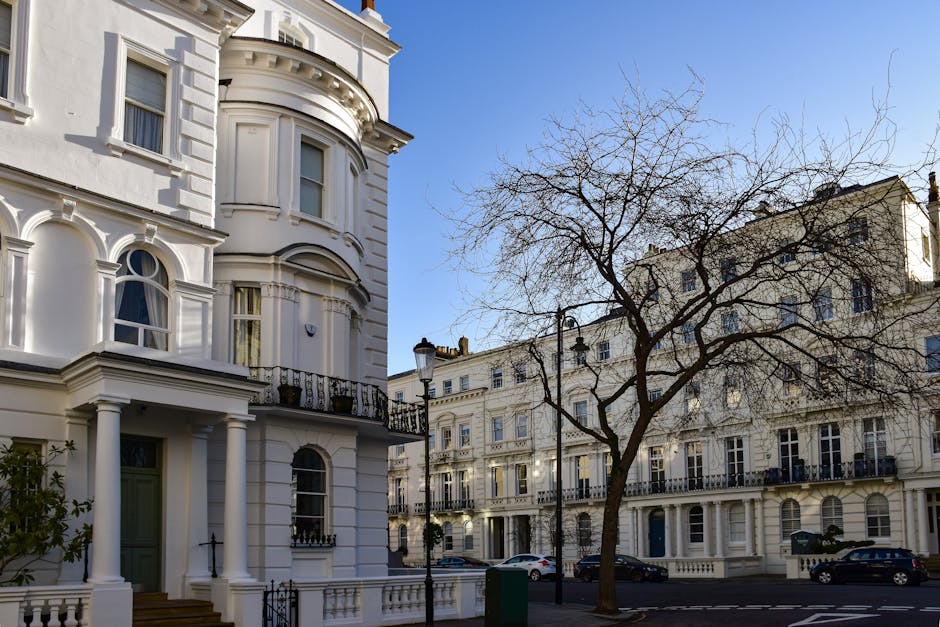
Queens Park is an area in northwest London best known for its namesake public park, which gives the neighbourhood part of its identity and open space. The district sits across the boundary area of the City of Westminster and the London Borough of Brent, and its development reflects the wider growth of the capital in the nineteenth century. The park itself was laid out in the late Victorian period and remains a central reference point for the surrounding streets, while the local area has a mix of residential terraces, mansion blocks and later infill housing. Its street pattern reflects that layered history, with roads that feel distinctly urban yet retain a calm, neighbourhood scale in many places. Queens Park also has a station of the same name, which reinforces its role as a recognisable local centre rather than just a park with houses around it. The area is associated with tree-lined residential streets, independent shops on nearby routes and a community atmosphere shaped by access to green space. The park provides sports pitches, gardens, paths and open lawns, making it one of the most visible landscape features in the district. As with many parts of inner London, the streets close to the park combine long-established housing stock with ongoing renewal, so the built character is a mixture of period fabric and practical modern adaptation. That combination gives Queens Park a distinct identity: compact, residential and closely linked to the park that shares its name.
Balancing appearance with plant health
A tidy hedge should look controlled without appearing stressed, over-cut or patchy. That balance comes from trimming with the plant's structure in mind. A light, accurate cut may be better than taking too much off in one pass, especially where the hedge is valuable for privacy or has an established outline. In practical terms, the work is about keeping the shape consistent while leaving the hedge able to respond well afterwards.
There are times when the hedge may need a little more attention at one end than another, or where the top needs to be eased down more gradually than the sides. We take that kind of adjustment into account so the finished line looks natural. Good hedge work is as much about judgment as it is about cutting. That is particularly important when the hedge is visible from the street or forms a long run along a boundary.
For customers comparing related services, landscaping covers wider external changes, while hedge trimming focuses on the living boundary itself. If the hedge is part of a more ambitious plan for the garden, it may be sensible to discuss the broader layout as well. Otherwise, a precise trim can stand alone as a straightforward improvement.
Waste handling and finishing touches

Once the hedge has been trimmed, the finishing stage matters almost as much as the cut itself. Tidying loose clippings, checking the line from different angles and dealing with the immediate aftermath of the work all contribute to a better final result. For some jobs, that may mean a simple clear-up; for others, there may be a larger volume of trimmings to collect depending on the hedge size and how much reduction was required.
Clear finishing also helps reveal whether the hedge now sits evenly along its boundary and whether any further adjustment is needed. Small irregularities are often easier to spot once the bulk of the growth has been removed. That is why a careful final check is part of a proper trimming service rather than an optional extra. It keeps the hedge looking intentional, not simply cut.
If your hedge trimming request is ready, you can request pricing and a quotation and outline the hedge size, condition and access. If you are still deciding, a brief note about the work you want is enough to start the conversation. Either way, the aim is a clear, practical quote for the hedge work in Queens Park.