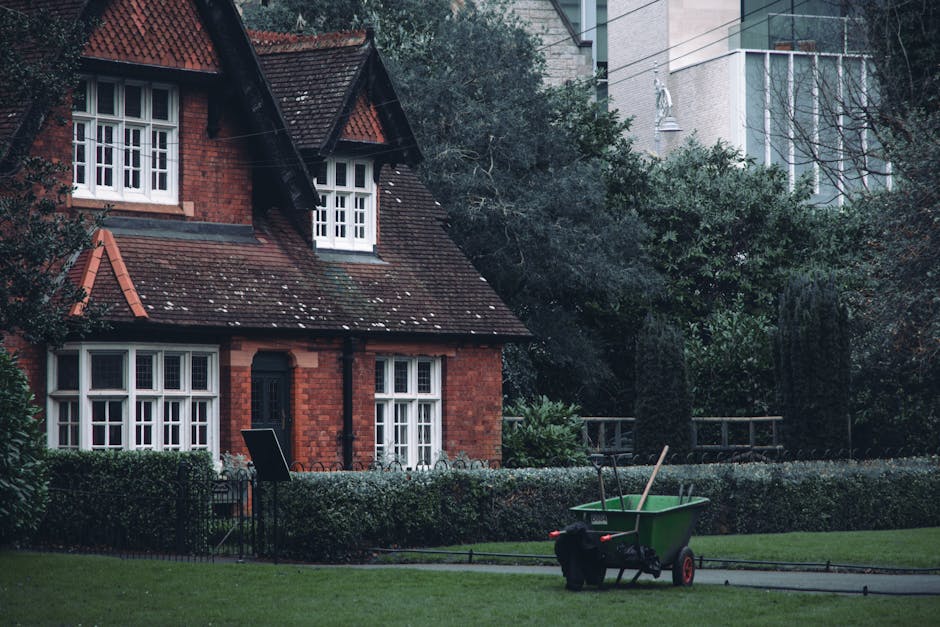
NW6 gardeners near Queens Park station quick garden fixes

If your garden near Queen's Park station has slipped into that awkward middle ground - not quite a disaster, but not exactly somewhere you'd want to sit with a cup of tea either - quick garden fixes can make a real difference. For busy homeowners, landlords, and tenants in NW6, the goal is often simple: tidy it up fast, make it safer, and get it looking cared for without turning it into a long renovation project.
That is where NW6 gardeners near Queens Park station quick garden fixes come in. Think of them as focused, practical improvements: pruning back overgrown shrubs, removing green waste, levelling a patch of lawn, sorting a messy border, jetting a slippery path, or making a front garden look presentable before visitors arrive. Sometimes the best garden work is the work that quietly resets everything.
This guide explains what quick garden fixes actually involve, when they make sense, how to prioritise the work, and how to avoid spending money on the wrong things. It also covers local considerations, best practice, and the questions people usually ask when they want the garden sorted quickly, but properly.
Why NW6 gardeners near Queens Park station quick garden fixes Matters
In a neighbourhood like NW6, gardens often have to work hard. They may be compact, overlooked, shared, or squeezed between daily life and London weather that seems to change its mind every hour. A garden that was fine in spring can look tired by late summer. A front area can become cluttered almost overnight. And if you are close to Queen's Park station, foot traffic, street visibility, and time pressure all add up.
Quick fixes matter because they restore order fast. Not everything needs a full redesign. In fact, many gardens only need a handful of well-chosen interventions to look cleaner, brighter, and easier to manage. That is especially useful if you are preparing a property for sale, moving in or out, expecting guests, or simply getting fed up with the sight of it from the kitchen window.
There is also a practical side. Overgrown planting can block light and access. Mossy paths can get slippery. Fallen leaves and cuttings can create a neat-looking problem that still feels untidy. Quick garden fixes solve these small but stubborn issues before they grow into bigger maintenance jobs. Truth be told, that is often where good gardening starts: with the messy bits.
For readers comparing service pages, it may help to look at broader support too, such as garden maintenance services if you need recurring care rather than a one-off tidy-up, or garden clearance if the space needs a heavier reset before any finer work can happen.
How NW6 gardeners near Queens Park station quick garden fixes Works
Quick garden fixes usually follow a simple logic: stabilise the space first, then improve what people see and use most. A good gardener does not start by doing everything. They start by identifying what will make the biggest visual and functional difference in the shortest time. That might sound obvious, but it is where decent results come from.
Typically, the process begins with a short assessment. What is unsafe, overgrown, broken, blocked, or visually dominating the space? What can be cut back without harming plant health? What can be cleared immediately? Then the work is split into the right order. For example, there is no point raking a lawn before trimming back the hedge that will drop more debris on it. Little things like that save time and frustration.
A quick fix service can include:
- light to moderate pruning and cutting back
- weeding and border tidy-up
- lawn mowing, edge definition, and basic lawn care
- leaf clearance and green waste removal
- pressure washing or sweeping paths and patios where suitable
- basic plant reshaping and bed tidying
- container refreshes, if the garden is very small
Sometimes the result is not dramatic in the abstract, but it feels dramatic when you step outside. The space breathes again. You can see the edges. You can walk through it without doing that awkward sideways shuffle through the borders. That matters more than people think.
If the space needs a deeper transformation after the urgent jobs are out of the way, a more planned garden design approach may be the next step, especially where layout is the real problem rather than simple neglect.
Key Benefits and Practical Advantages
The biggest benefit is speed, of course. But speed alone is not the full story. Good quick fixes are useful because they create a visible reset without demanding a massive budget or weeks of disruption. That is a very London-friendly kind of solution, let's face it.
Here are the main advantages:
- Better first impressions: a tidy front or rear garden makes the whole property feel more cared for.
- Safer access: clear paths, stairs, and borders reduce trip hazards and slippery build-up.
- Improved light and space: cutting back overgrowth opens up smaller gardens noticeably.
- Less maintenance stress: once the worst is removed, routine upkeep becomes far easier.
- More usable outdoor time: you are more likely to sit out, plant, or host when the space feels manageable.
- Better value from future work: even if you later invest in landscaping, the basics are already under control.
For landlords and agents, a quick tidy is often one of the simplest ways to improve a viewing experience. For homeowners, it can be the difference between a garden you avoid and one you actually use. And for tenants, a fast refresh can make a rented outdoor space feel a lot more personal, even if the improvements are temporary and light-touch.
There is also a satisfaction factor that people underestimate. A clean border or freshly edged lawn can change how the whole place feels. Small win, yes. But a real one.
Who This Is For and When It Makes Sense
Quick garden fixes are not for every situation, but they are right for quite a few. If you are trying to decide whether to call a gardener for a fast intervention or wait and do everything at once, a good rule is this: if the space mostly works but looks neglected, a quick fix is usually the sensible move.
This service is often a strong fit for:
- busy homeowners who need the garden sorted without a long project
- landlords preparing for new tenants
- estate agents or property managers needing a fast visual improvement
- older residents who want safe, manageable outdoor areas
- families dealing with a garden that has got away from them a bit
- people in NW6 who are hosting, selling, or coming back from time away
It also makes sense when weather, season, or timing is working against you. After a windy spell, a bank holiday week, or the first big autumn leaf drop, gardens near Queen's Park can look messy very quickly. That is normal. You do not need to turn it into a project. You just need the right job done at the right time.
On the other hand, if there is major drainage failure, extensive turf replacement, structural retaining work, or serious diseased planting, quick fixes will only do part of the job. In those cases, a more detailed plan is better. A sensible gardener should say that plainly, not pretend otherwise.
When the issue is a one-off build-up rather than a design problem, tree surgery and specialist cutting may also be relevant, especially where safety or overhanging growth is part of the issue.
Step-by-Step Guidance
If you want to understand how a quick garden fix is usually handled, here is the practical version. No fluff. Just the order that tends to work best.
- Assess the space honestly. Look at what is blocking access, making the garden feel untidy, or creating safety concerns.
- Clear obvious debris first. Dead leaves, broken pots, fallen branches, and loose cuttings usually come out first so the rest of the job is easier.
- Cut back the highest-impact overgrowth. Focus on paths, entrances, windows, and any plants that are swallowing useful space.
- Deal with weeds and edging. Clean edges make a surprisingly big visual difference. A border can look ten times better with proper definition.
- Mow, strim, or tidy the lawn. Even a rough lawn looks more controlled once it is cut and edged consistently.
- Refresh the surfaces. Sweep, rake, wash, or lightly pressure clean where appropriate and safe for the material.
- Do a final shape check. Step back. Look at sightlines. Adjust anything that still feels crowded or off-balance.
- Remove waste properly. Green waste should be bagged, stacked, or taken away in a tidy way. The finish matters.
A small but useful point: if you are doing this yourself, work from the far end of the garden back toward the house. Otherwise you end up stepping over cleared material all afternoon. Been there, done that, not ideal.
For more regular care once the emergency job is done, it can help to explore grass cutting services or hedge trimming if those are the parts of the garden that keep getting away from you.
Expert Tips for Better Results
A quick fix should still look thoughtful. The trick is not just cutting things down; it is cutting the right things down in the right order. That is the bit people miss when they rush.
Focus on the garden's "visual line" first
Start with what the eye sees immediately from the gate, patio door, or kitchen window. If you only have time to make one area look good, make that one. A neat entrance and clear edge lines can shift the whole feel of the garden.
Do not scalp everything back
A common mistake is hacking plants too hard because it feels efficient. Sometimes it is. Often it is not. Overcutting can leave ugly gaps, weaken plants, or create a second problem in six weeks. Lightly shaped, healthy-looking planting is usually better than a severe but temporary clean-up.
Use containment to create order
In smaller NW6 gardens, a few containers, a simple mulch layer, or one refreshed border can make the place feel intentional. You do not always need more planting. Sometimes you just need less chaos.
Think in terms of thresholds
What happens at the point where someone enters the garden? Is there a pile of leaves, a broken pot, or a hedge that brushes the shoulder? Fix the threshold first. It changes how the whole space is experienced.
Schedule work to suit the season
Spring and early summer are great for shaping and resetting growth. Late summer often needs tidy-up work and irrigation awareness. Autumn is about leaf management and keeping paths safe. Winter can still be useful for selective pruning and clearance, but only when conditions suit the plants and the surface underfoot.
A well-handled quick fix is less about making the garden look perfect and more about making it feel under control again. That is the real magic, honestly.
If you are uncertain what to tackle first, it can help to combine quick fixes with broader garden upkeep. A service like lawn care may be more valuable than cosmetic work alone if the grass is the main thing pulling the space down.
Common Mistakes to Avoid
Quick work can be excellent work. It can also be rushed in the bad sense. The difference usually comes down to a few avoidable errors.
- Trying to do everything at once: the quickest route is often prioritisation, not volume.
- Ignoring access and waste removal: a garden can look half-finished if the cuttings are left in piles.
- Overusing power tools: not every surface or plant benefits from heavy machinery.
- Forgetting the path edges: those little lines make a huge difference to perceived tidiness.
- Cutting before checking the structure: some plants need shaping, not flattening.
- Leaving damaged items in place: one cracked pot or broken planter can spoil the whole effect.
- Skipping the final tidy: you can do a decent amount of gardening and still end up with a messy finish. Not great.
Another thing people miss is timing. If you mow, prune, and clear at the wrong point in a wet spell, you can compact soil, leave marks, or create more mess than you started with. Good gardeners work around conditions where they can. That judgment matters.
And yes, sometimes the mistake is simply expecting too much from one visit. A quick fix is meant to create control and clarity. It is not always a full transformation. Knowing that beforehand keeps expectations sensible and the result satisfying.
Tools, Resources and Recommendations
The best tools depend on the job, but a solid quick-fix kit tends to be pretty straightforward. You do not need a van full of kit for every small garden. Just the right things for the right space.
| Task | Useful tools or resources | Why it helps |
|---|---|---|
| Light clearance | Gloves, rake, sacks, secateurs | Quick removal of leaves, debris, and loose growth |
| Cutting back plants | Bypass shears, loppers, hedge trimmers | Cleaner cuts and better shaping |
| Lawn tidy-up | Mower, edging tool, strimmer | Makes the lawn read as neat, even if it is not perfect |
| Path and patio clean-up | Broom, patio brush, suitable washer | Removes grime and improves safety and appearance |
| Waste handling | Heavy-duty bags, buckets, barrow | Keeps the job organised and reduces back-and-forth |
For many households, the most useful "resource" is actually a clear plan. Knowing what gets done first avoids wasted effort. If you are hiring, ask about waste removal, access needs, weather flexibility, and whether the quote covers light pruning, disposal, and final tidy-up. Small questions, big difference.
When the garden includes tricky mature shrubs, dense climbers, or trees close to fences and structures, specialist support may be worth considering. In those cases, a broader service such as landscaping support can be useful if the work goes beyond simple maintenance.
Law, Compliance, Standards, or Best Practice
For most quick garden fixes, the main compliance point is straightforward: work safely, respect neighbours, and handle waste properly. That is the practical reality in a place like NW6, where houses and gardens are often close together and noise travels more than you expect.
Best practice usually includes:
- checking access routes before moving equipment or waste through the property
- being careful around shared boundaries, party fences, and overhanging growth
- disposing of green waste responsibly rather than leaving it in communal areas
- using tools in a way that does not damage paving, decking, or planted areas
- being considerate about timing, especially with louder cutting or clearance work
If trees are involved, a cautious approach is sensible. Overhanging branches, protected trees, and boundary issues can sometimes need extra attention, and it is wise to avoid assumptions. If you are unsure, ask before cutting. Better safe than awkward with a neighbour, to put it mildly.
There is also a quality standard issue, even if it is informal. A good quick fix should leave the garden tidy, accessible, and coherent. Not just "done". The difference is usually in the finish: clean edges, no leftover mess, and cuts that look intentional rather than hurried.
Options, Methods, or Comparison Table
Not every garden needs the same kind of intervention. Choosing the right method saves money and produces a better result. Here is a simple comparison.
| Method | Best for | Strengths | Limitations |
|---|---|---|---|
| One-off quick fix | Sudden overgrowth, guests, move-in/out, seasonal tidy | Fast, visible improvement, easy to book | Does not solve ongoing maintenance problems |
| Regular maintenance | Gardens that need steady upkeep | Prevents re-growth, keeps the space manageable | Requires ongoing commitment |
| Clearance before redesign | Very neglected or cluttered spaces | Creates a blanker, safer starting point | May need follow-up work after clearance |
| Targeted specialist work | Trees, awkward hedges, problem plants | More precise and safer for difficult jobs | Usually narrower in scope |
If your garden is mostly okay but just looks tired, a one-off tidy is often enough. If it keeps sliding back into the same state, regular maintenance will usually be better value. And if the layout itself is the issue, a redesign may be the smarter long-term decision. Sometimes the answer is not more work. It is the right kind of work.
Case Study or Real-World Example
Picture a typical small rear garden near Queen's Park station. Nothing extreme. A bit of overgrown ivy at the fence, a lawn that has gone patchy at the edges, two borders full of self-seeded weeds, and a path with a film of grime that makes it look older than it is. The owner has guests coming at the weekend and no interest in a full makeover.
The quick-fix approach in that situation is simple. Clear the debris first. Cut back the ivy enough to expose the fence line without stripping it bare. Define the lawn edge so the grass reads as intentional rather than spreading into the beds. Weed the borders, then step back and remove anything that still looks visually noisy. Finally, sweep and wash the path where suitable.
The result is not a brand-new garden. It is better than that, in a way. It becomes usable. The boundaries are visible again. The space feels lighter. The guests arrive and, instead of apologising for the garden, the owner can actually enjoy it. Small thing? Maybe. But in daily life, those small things carry a lot of weight.
That sort of job is also where a sensible follow-up plan helps. After the quick win, it may make sense to schedule light recurring visits or deal with one bigger problem, such as the hedge or lawn, before it turns back into a chore.
Practical Checklist
Use this checklist if you want to judge whether a quick garden fix is the right next step.
- Is the garden mostly functional, but just untidy or overgrown?
- Are paths, steps, or entrances partly blocked or slippery?
- Do you need the space to look better within days rather than weeks?
- Are the main issues clear: weeds, leaves, lawn, hedges, or debris?
- Would a tidy-up make the garden safer and more pleasant to use?
- Is there a realistic plan for waste removal?
- Do you know which areas matter most visually from the house or gate?
- Is there any tree or boundary issue that may need special care?
- Would a one-off fix buy you time before a bigger project later?
- Have you decided whether you need maintenance after the initial tidy?
Quick takeaway: if the garden is structurally fine but visually behind, a focused quick fix is usually the smart, low-stress option. If the underlying layout or planting is the real issue, then the tidy-up is only step one. Either way, getting it back under control is a good start.
Conclusion
For many properties, NW6 gardeners near Queens Park station quick garden fixes are the fastest route from "a bit of a state" to "actually presentable again." That can mean clearer paths, neater edges, less clutter, and a garden that feels easier to live with straight away. No drama. No endless project. Just practical improvement where it counts.
The smartest approach is usually to focus on the visible, the unsafe, and the overgrown first. Once those are handled, the whole space becomes easier to maintain and far more enjoyable to use. If you need a little extra help, there is nothing wrong with starting small. In gardening, as in life, a good reset often begins with one decent decision.
Get a free quote today and see how much you can save.
And if you are ready to turn the garden back into a place you actually want to step into, that first tidy-up might be the best breath of fresh air you give the home all season.
Frequently Asked Questions
What counts as a quick garden fix in NW6?
A quick garden fix usually means targeted work that improves the appearance and usability of the space without turning it into a full landscaping project. Common jobs include weeding, hedge trimming, mowing, cutting back overgrowth, clearing debris, and tidying paths or borders.
How fast can a garden be tidied near Queen's Park station?
That depends on the size and condition of the garden, but many small to medium jobs can be improved in a single visit. The main variables are access, waste volume, and how much cutting back is needed. A site check usually gives the clearest answer.
Is a quick tidy enough for a very neglected garden?
Sometimes, yes, at least as a first stage. If the garden is heavily overgrown or cluttered, a quick tidy may be enough to restore access and visibility. If there is deeper neglect, it may need clearance first and maintenance later.
What are the most effective quick fixes for a small London garden?
The best improvements are usually lawn edging, weed removal, pruning high-impact growth, clearing leaves and debris, and refreshing visible surfaces. In small gardens, a little order goes a long way. More than people expect, actually.
Do quick garden fixes include waste removal?
Often they do, but it is worth confirming. Green waste removal can make a big difference to the final result. A garden can be cut back and still look messy if the waste is left behind.
Should I choose garden clearance or garden maintenance?
If the space is overgrown or cluttered, clearance is usually the better first step. If the garden is already in reasonable shape and just needs ongoing care, maintenance is more suitable. Some properties need both in sequence.
Can quick garden fixes improve a rental property before tenants move in?
Yes. A tidy outdoor space can make a property feel more cared for and easier to settle into. For landlords and letting agents, quick fixes are often a sensible pre-tenancy task because they improve presentation without major disruption.
What should I ask before booking a local gardener?
Ask what is included, whether waste removal is covered, how long the job is likely to take, what access is needed, and whether there are any issues the gardener wants to inspect first. If trees or awkward boundary growth are involved, mention that early.
Are there any local issues to think about in NW6 gardens?
Yes. Many gardens in the area are compact, overlooked, or close to neighbouring boundaries, so neat finishing and considerate working matter. Noise, access, and waste handling can all be more noticeable in dense London streets.
Can I do quick fixes myself instead of hiring someone?
You can, especially if the job is limited to light weeding, sweeping, and minor trimming. But if there is heavy overgrowth, awkward access, or a lot of waste, a professional can usually do it faster and more cleanly. It depends how much time and energy you want to spend, really.
How do I keep the garden tidy after the quick fix?
Regular light maintenance helps most. That means mowing before the grass gets too long, removing leaves before they build up, trimming small amounts often, and dealing with weeds early. A little consistency is much easier than a big rescue job later.
What makes a quick garden fix look high quality?
Clean edges, balanced cutting, tidy waste removal, and a clear final finish. The best quick fixes do not just remove mess; they make the garden feel ordered. You should be able to look out and feel the space is under control again.